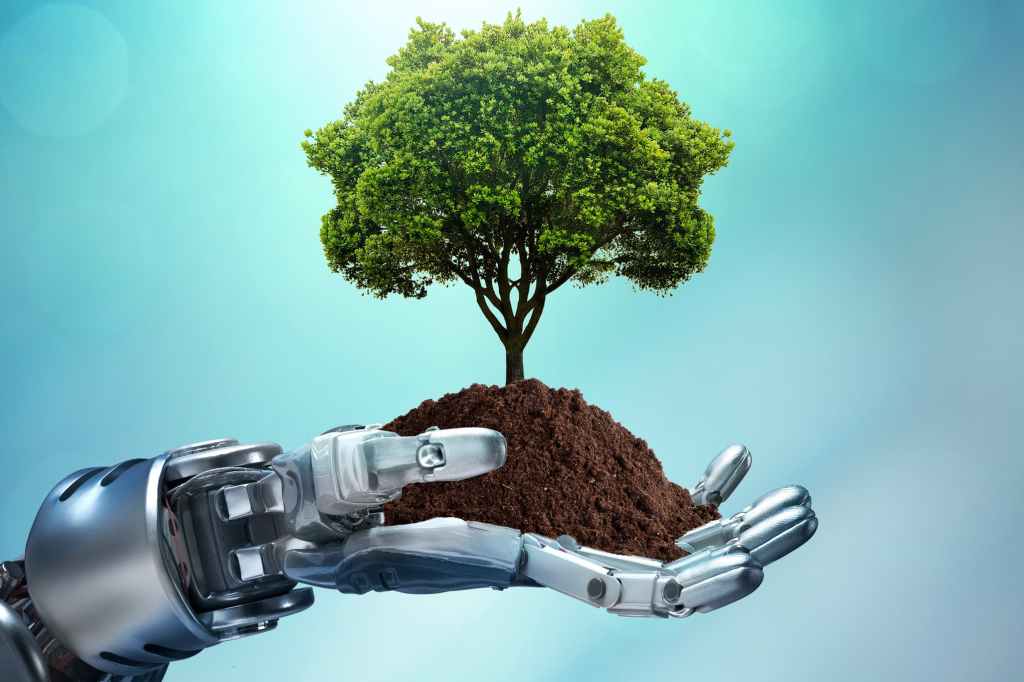
The climate disaster is knocking on the US door with fatal floods in Queens, New York, and a cold freeze in Texas. The best engineering breakthroughs of this year show a growing understanding that essential industries like shipping and construction can no longer operate as normal. These award winners provide answers to some of the most pressing concerns regarding the future of a burning planet, such as how to deal with hard-to-decarbonize industries like food and energy production. Beyond advancing green technology, these technologies also introduce AI that can unravel the secrets of DNA’s structure and give us a much-needed dose of high-flying entertainment.
Lower Carbon footprint Steel
Between 7 and 9% of the world’s carbon emissions are produced by the steel industry, primarily as a result of the specific processing of coal known as “coke.” Coke combines with iron ore’s oxygen at temperatures as high as 3,000°F, refining the metal into the form required to create steel while also emitting carbon dioxide. A Swedish industrial group created Hybrit, a steel whose manufacture uses hydrogen rather than carbon to process iron ore, to lessen its environmental impact. In a device known as a shaft furnace, which is heated to 1,500*F using renewable wind and hydropower, the hydrogen that has been liberated from water combines with the oxygen in ore. Instead of carbon dioxide, hydrogen and water are released in the method, and the resulting “sponge iron” melts in an electric arc furnace together with some carbon to produce steel. According to Hybrit, the procedure emits less carbon dioxide than 2% of what would be produced with a regular coke-fueled system. Volvo received the first shipment of this “green steel” this past summer and utilised it to create a mining and quarrying truck.
An improved Shipping Method
Our economy is driven by low-cost consumer products, but container ships are responsible for over 3% of global carbon dioxide emissions. The large ships cannot be effectively powered by electric batteries because they lack the necessary energy density, and placing chargers in the middle of the ocean is practically impossible. In an attempt to predict the future of ship propulsion, the Norwegian logistics behemoth Grieg and the Finnish engine manufacturer Wärtsilä teamed up this year. Engineers will employ electrolysis to produce hydrogen gas using a wind farm in Norway, which will then react with nitrogen in a plant to produce ammonia. Wärtsilä has previously constructed an engine that burns a mixture of 70% ammonia and is preparing to deploy a tanker with a pure ammonia version in 2024.
Your native, Ecological Seafood farm
Since 1980, mangrove forests have been damaged on around 3.4 million acres, primarily in Southeast Asia due to the global demand for farmed shrimp. The method has a larger carbon footprint than raising dairy cattle, pigs, or chickens since it destroys those carbon-absorbing habitats. The sector is also plagued by disease outbreaks and clogged rivers. The “Vertical Oceans” model conducts the entire process inside. Algae, seaweed, and bottom-feeding fish serve as waste filters in the modular school bus-sized tanks where the shellfish are housed. This eliminates the need for a sewer because nearly all of the water is recycled. This year, 10 harvests of shrimp totaling more than a tonne were produced by a prototype in Singapore.
A Bridge that identifies its Faults
The Italian Genoa bridge collapse in 2018 that took 43 lives is still under investigation. According to experts, a number of factors contributed, including severe traffic loads, corrosion from the salty air, industrial pollutants, and high-rising river levels. Renzo Piano, an architect from Genoa, created a substitute, and a number of autonomous sensing features were incorporated to find flaws. 25,000 photographs of the substructure are taken every eight hours by a pair of two-ton inspection bots that move across the bridge on a carbon composite track. This allows machine vision software to detect any anomalies. 95 percent of the energy needs for the bridge are met by solar panels, which also power lighting and sensors that look for unsafe joint expansion.
First Sea-bound floating Rollercoaster
Typical roller coasters send thrill seekers zooming and looping by using gravity. However, you have to think outside the box if you want to construct a ride on a cruise ship, where firm, level terrain is far from ensured. The little motorcycle-like cars on the BOLT coaster from Carnival Cruise Line are propelled down a lengthy, looping track by electricity. Riders ride 187 feet above sea level at a speed they choose—up to 40 mph. The experience is kept from accelerating to dangerous speeds by using the motor for propulsion rather than severe freefalls.
Batteries that could Eliminate the need for Polluting Electricity
Utilities require large, reasonably priced batteries to fulfil peak demand during periods when the wind isn’t blowing or the sun isn’t shining in order to sustain totally renewable systems. However, the lithium-ion cells used in EVs and laptops are pricey. As a result, Form Energy has developed a brand-new, highly effective battery chemistry based on one of the Earth’s most available metals: iron. The “Big Jim” prototype from the company releases electrons by rusting iron in reaction with ambient oxygen. Rust is converted back into iron by an incoming electrical current, which also releases oxygen and recharges the battery. According to environmental engineers, a battery that costs $20 per kilowatt-hour per charge will enable utilities to completely phase out the use of coal and natural gas, which is what Form Energy is aiming towards.
 New Technologies